
For the past several years, life has looked very…neutral. Cream kitchens. Beige outfits. White bedding. Soft taupe everything. Minimalism taught us that calm lives live in calm colors. But somewhere along the way, many of us stopped asking a question that matters:
What if color makes life better? Not louder. Not chaotic. Just better. Because color isn’t just decoration. It’s energy. It’s emotion. And according to a growing body of research in environmental psychology, the colors we surround ourselves with can actually influence mood, motivation, creativity, and even confidence.
Color doesn’t just sit quietly in the background of our lives. It shapes how we experience them.
The Psychology of Color
Scientists have long studied the relationship between color and emotional response. Certain shades are known to stimulate energy, focus, or calm. Warm tones like coral, red, and peach can increase feelings of warmth and connection. Blues and greens often lower stress and create a sense of peace. Bright, saturated colors are linked with higher levels of creativity and mental stimulation.
In other words, color can gently nudge how we feel throughout the day. And when you think about how much of life happens inside our homes, inside our clothes, and inside our routines, it starts to matter more than we realize. A closet full of neutrals may be easy to style, but a closet with color can feel alive. A home filled with safe palettes might feel calm, but a home with thoughtful color can feel personal.
Color as a Form of Self-Expression
One of the quiet side effects of the neutral era is that many of us slowly stopped expressing ourselves through what we wear and how we design our spaces.
Neutrals are safe. They blend. They don’t ask questions. Color, on the other hand, makes a statement…even a small one.
Make A Statement
These small choices signal something to the brain. They interrupt autopilot.
Color doesn’t require a complete overhaul of your wardrobe or a full home renovation. Sometimes the smallest shifts create the biggest changes.
Starting With Fashion
Clothing is often the easiest place to begin experimenting with color because it’s temporary. If it doesn’t feel right, you simply change tomorrow.
Instead of replacing an entire wardrobe, try introducing color in simple ways:
• A colorful sweater layered over neutral basics
• A patterned scarf or headband
• Shoes in a bold shade instead of brown or black
• A handbag in something unexpected like emerald or rust
What many people discover is that color tends to invite compliments, conversation, and confidence.
There’s a reason people say they feel “brighter” in certain outfits. Sometimes the color really is doing part of the work.


Bringing Color Into the Home
Homes have gone through the same neutral phase as fashion like white walls, beige couches and light wood everywhere.
While these spaces photograph beautifully, they can sometimes feel a little…unfinished. Almost like a blank canvas that never quite gets painted. After some time, everyones home tends to look the same.
Adding color to a home doesn’t mean abandoning calm or simplicity. It just means introducing personality.
Try starting small:
• Colorful throw pillows or blankets
• A painted side table or kitchen stool
• Artwork with bold tones
• Fresh flowers on the counter
• Dishware that isn’t white
Color in the home creates visual interest and warmth. It gives your eyes something to enjoy and your brain something to respond to. A house begins to feel less like a showroom and more like a life happening inside it.


Color in Makeup and Daily Rituals
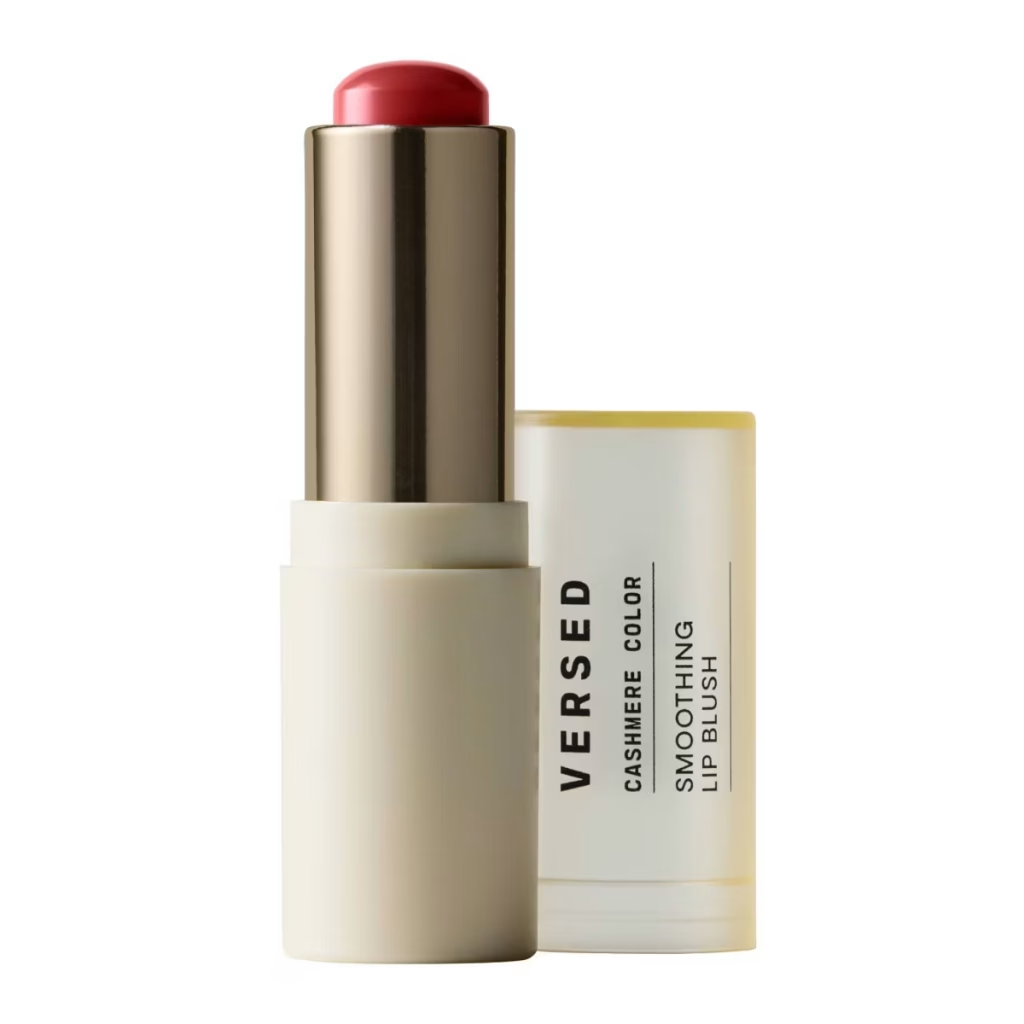
Another powerful place color can live is in daily rituals. Makeup, nails, and small personal details are tiny but impactful ways to shift the tone of a day.
A peach blush instead of beige.
A coral nail color.
A bright lip balm in your bag.
These choices may take seconds, but they often change how we show up in the world.
There’s something subtle but powerful about catching your reflection and seeing a bit of color looking back.


The Confidence Factor
Color also carries a psychological effect that’s harder to measure but easy to recognize: confidence. Wearing color or decorating with it requires a small amount of boldness. It asks us to step outside the safest option. And that tiny act of bravery tends to ripple outward.
People often report feeling more energized, more creative, and even more social when they intentionally incorporate color into their environments. It’s not about being the loudest person in the room. It’s about allowing life to feel a little more vibrant.
For me, postpartum depression got a hold of me pretty heavily. I spent months with my first suffering in silence and again with my second born. I had finally had enough and desperately wanted a change in the life I was living. One way I decided to do that, was to start small in added color into my life. From there, everything just slowly seemed to blossom. I have yet to ever look back. I now have blue accent chairs in my living room and colorful pillows resting on my couch and bed. I have vibrant paintings on the wall and my wardrobe has transformed. I look in the mirror, and truly feel happy.

Color as an Invitation to Live Fully
In many ways, the neutral era reflected a desire for calm, simplicity, and order. Those things still matter. But life is not meant to be entirely beige. Color reminds us that ordinary days are worth celebrating.
A bright sweater on a grocery run.
A colorful mug at morning coffee.
A painted front door greeting you when you come home.
None of these things are dramatic life changes. But they are small invitations to experience life a little more vividly. And sometimes, the smallest shifts in our environment quietly shape the way we move through the world. All it takes is one color to start.


